Guide · 11 min read
How to Measure for a Sofa: Depth, Room Size & Doorways
The complete sofa measuring guide for U.S. homes — overall dimensions, seat depth, diagonal depth for doorways, room clearances, and the delivery-path checks that stop returns before they start.

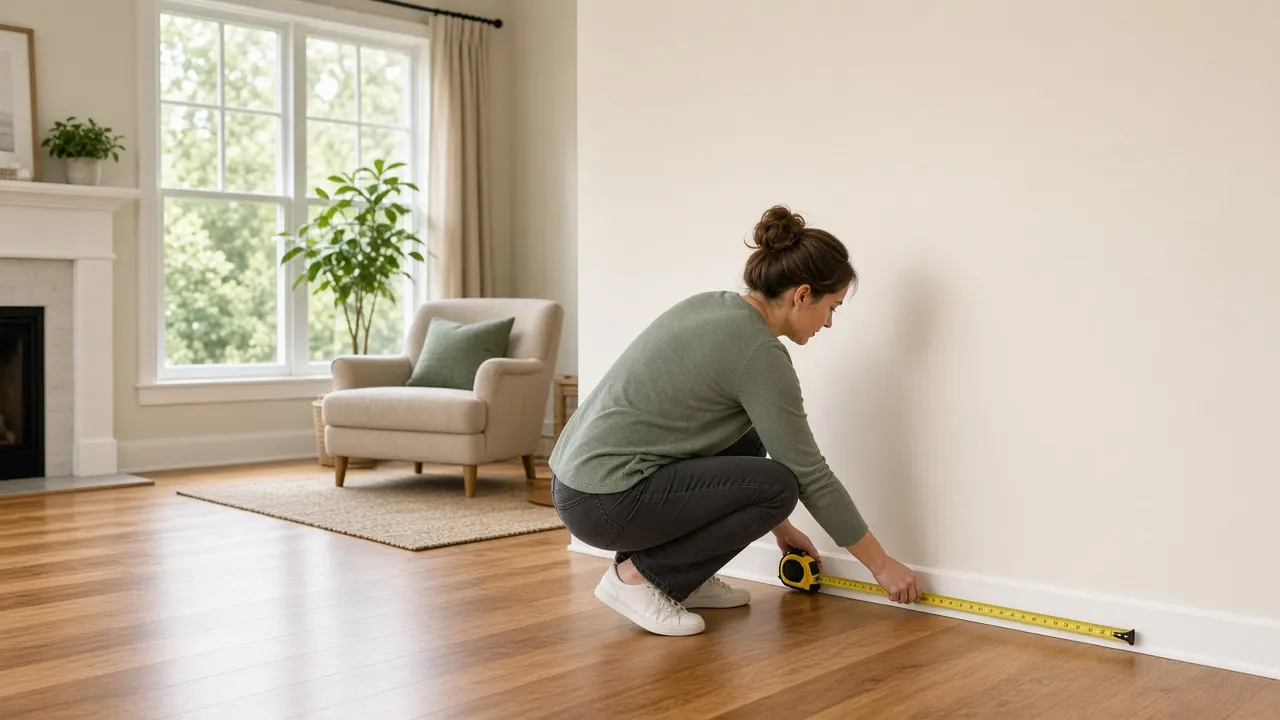
Measure three things — the sofa, the room, and the path in — or you are gambling with a 200-pound return.
Most sofas that “don’t fit” fail the hallway, not the living room. Shoppers measure the wall, fall for a photo, and discover on delivery day that a 34-inch-deep frame will not clear a 32-inch door on the diagonal — or that the stair landing is too short to pivot. Learning how to measure for a sofa means measuring three systems: the piece, the room, and every squeeze between the curb and the final wall.
Write down width, overall depth, height, seat depth, and diagonal depth. Measure every doorway and turn on the path with a 2–3 inch buffer. Tape the footprint in the room and protect 30–36 inches of walkway. If any single number fails, change the sofa before you click buy — not after the truck arrives.
The Three Measurement Sets You Need
Retailers and delivery crews who do this daily — from Circle Furniture’s on-site fit checks to Room & Board’s elevator and stair briefings — keep coming back to the same rule: one missing set of numbers causes most failed deliveries. You need the sofa’s published (and packaged) dimensions, the room’s usable footprint, and the narrowest clearances on the access route.
| Set | Key numbers | Why it matters |
|---|---|---|
| Sofa | Width, overall depth, height, seat depth, diagonal depth; box size if listed | Comfort + whether it can tilt through openings |
| Room | Wall length, room depth, walkways, coffee-table gap | Daily use — not just “it touches both walls” |
| Path | Doors, halls, stair width/landings/headroom, elevator door + cab | Delivery succeeds or dies here |
Tools: a 16–25 ft tape, painter’s tape, and a notes app. Label every number so “36” is never mysterious later.
How to Measure Sofa Dimensions
When people search how to measure a sofa or how to measure sofa dimensions, they usually need the retailer’s language decoded. Overall width is arm to arm at the widest point. Overall depth is the full front-to-back footprint. Height is floor to the top of the back. Seat depth is the comfort number. Diagonal depth is the delivery number.
| Measurement | How to take it | Typical U.S. range |
|---|---|---|
| Overall width | Outside arm to outside arm at widest point | 72–96 in. (3-seat often 72–84) |
| Overall depth | Farthest back point to front of arm/seat | 32–40 in. (deep loungers 40–44) |
| Overall height | Floor to top of back (note removable legs) | 30–36 in. common |
| Seat depth | Front cushion edge to back cushion | 20–22 upright; 24–28 lounge |
| Seat height | Floor to top of seat cushion | 17–19 in. for most adults |
| Diagonal depth | Top of back frame to front of arm (pillows off) | Often ~34–40 in. |
If the product page lists packaged dimensions, use those for the path — cartons are bulkier than the finished sofa.
How to measure sofa depth (seat vs overall)
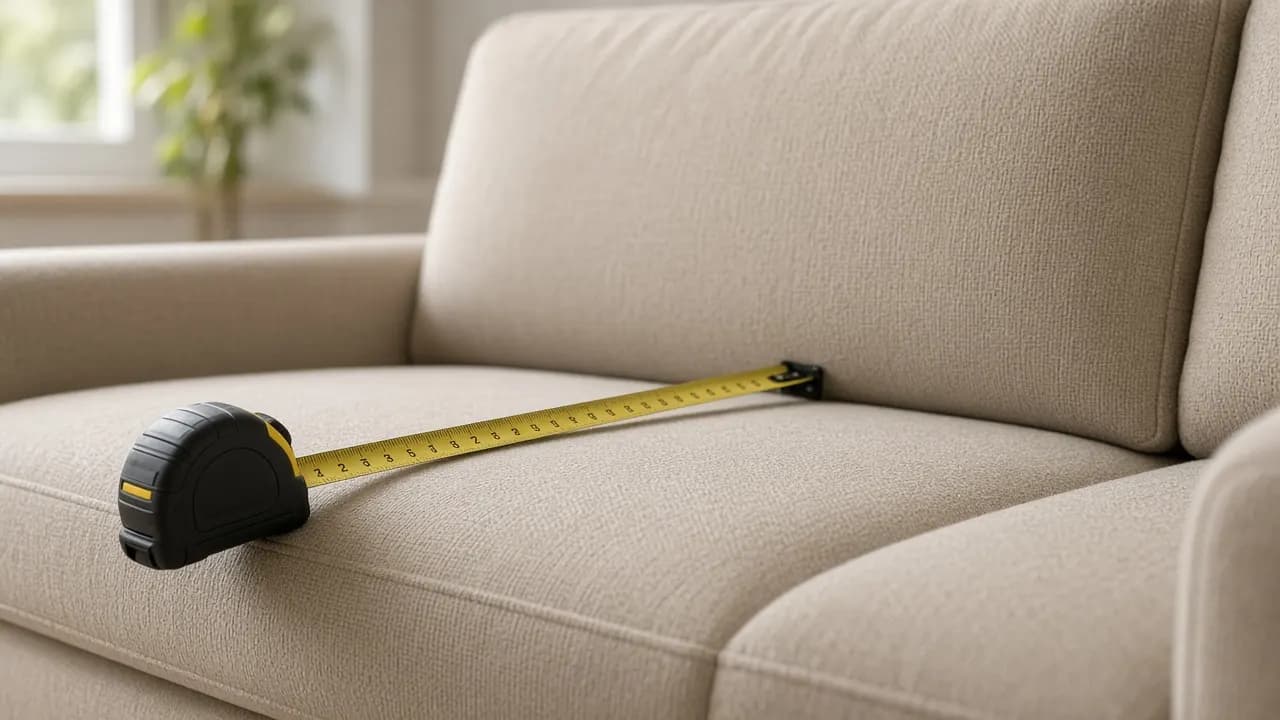
Overall depth tells you how far the sofa steals into the room. Seat depth tells you whether your knees hit 90 degrees or you float toward the front edge. Measure seat depth from the front of the usable cushion to where your back actually rests against the back pillow — not to a loose throw. If two brands publish “22-inch depth,” confirm both used the same method; some measure to the rear of the deck, others to the face of a plush back cushion.
A practical home check: sit on a dining chair you like, measure from the front of that seat to the backrest, then compare. If you always tuck one leg up on today’s couch, add two to four inches to whatever upright number feels right. Families who share the sofa with kids and pets usually regret going deeper than the room can clear more than they regret going an inch shallower on the cushion.
| Seat depth | Best for | Watch out |
|---|---|---|
| 19–20 in. | Upright sitters, shorter users, formal rooms | May feel tight for curling up |
| 21–23 in. | Most households — sit and light lounge | The safest default if you are unsure |
| 24–28 in. | Tall loungers, movie rooms, napping | Shorter guests need back pillows |
Diagonal depth: the doorway test
Crews rarely carry a sofa through a door flat like a painting. They tilt it. That is why diagonal depth matters more than overall depth for many front doors. Place a straightedge from the highest point of the back frame to the front of the arm; measure from the bottom back corner up to that line (or follow the retailer’s diagram). Compare that number to the door’s clear width with the door open 90 degrees. Aim for the opening to beat diagonal depth by about 2–3 inches. If the retailer will not publish diagonal depth, ask — or estimate from overall depth and back height and treat the estimate as optimistic, not guaranteed.
Measure the Room, Then Tape It
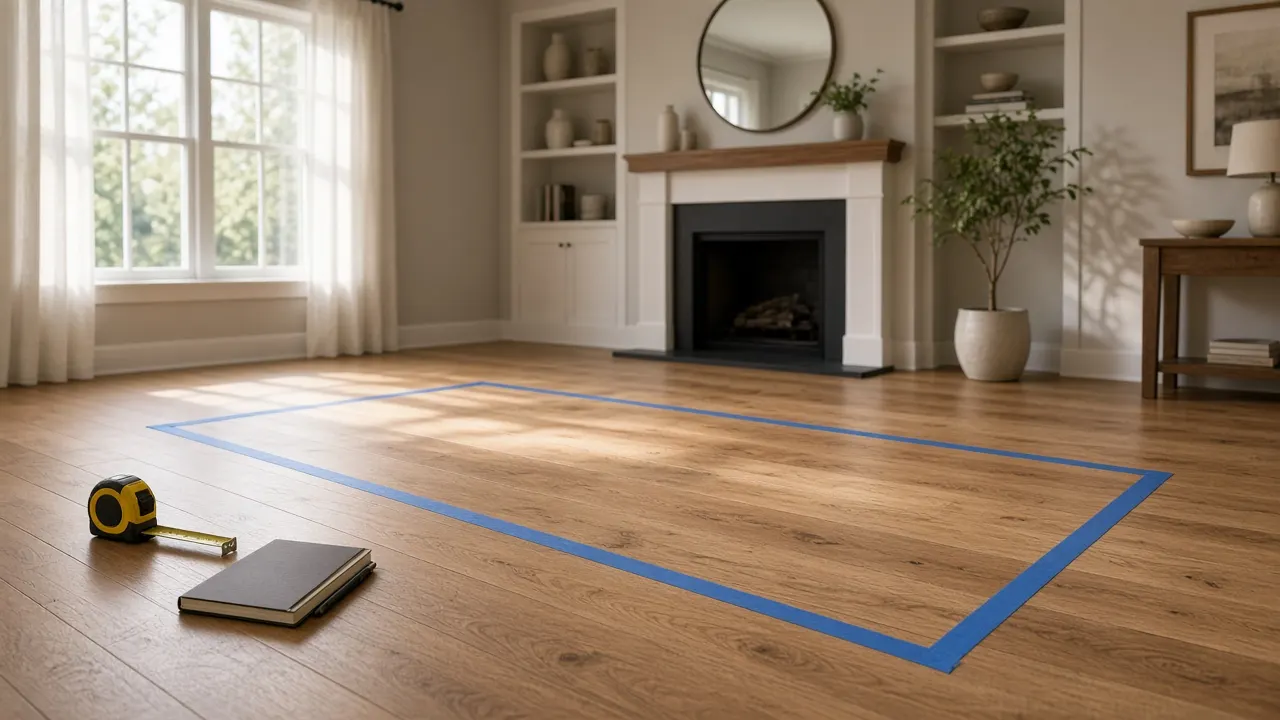
Map the wall the sofa will claim and the depth of the room opposite it. A useful proportion is keeping the sofa near two-thirds of the wall length so the piece does not read as bumper-to-bumper — on a 12-foot wall, that points you toward roughly 96 inches maximum before the sofa starts to look welded to the corners. Leave 30–36 inches for primary walkways, 24–30 inches for secondary paths, and 14–18 inches from seat edge to coffee table. Even a 3–5 inch float off the wall can keep the room from feeling jammed.
Also measure what the sofa will block: HVAC returns, outlets you still need, window operators, and the swing of a nearby closet or patio door. A sofa that fits the wall but kills the only path to the backyard is a layout failure dressed up as a successful delivery.
- Measure wall length and usable room depth, noting radiators, vents, and outlets.
- Tape the full width and overall depth on the floor; mark back height lightly on the wall if scale worries you.
- Walk the taped lane with laundry, a stroller, or a pet path in mind.
- Check door swings, recliner clearance, and patio access while the tape is down.
- Live with the outline for a day before you order.
Measure the Delivery Path Like a Pro
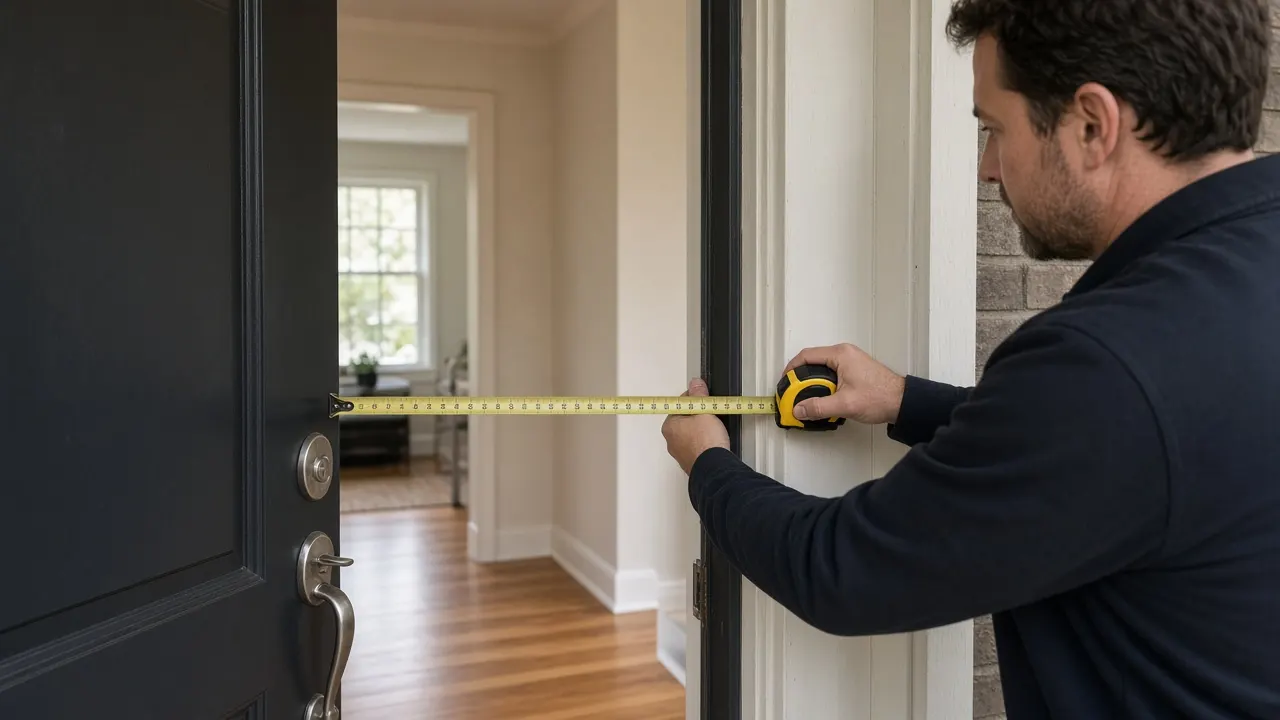
Start at the curb and walk the exact route the crew will use. Professional fit videos — including delivery techs who film real stair turns and Room & Board–style elevator briefings — walk doorway height and width first, then the smallest hallway pinch, then stair geometry, because the front door is often the easy part. Measure clear openings, not the decorative frame. Note trim, door closers, handrails, pendant lights, and low bulkheads.
Worked example: a sofa listed at 78 inches wide, 34 deep, and 34 high meets a front door that is 33 inches clear and 78.5 inches tall. The sofa will not go through flat. Stood on end, width becomes the height check — here you have only half an inch of play, so pads and fingers matter. Beyond the door, if the stair pocket measures 33.5 inches between molding and rail, you are already inside “precision delivery” territory. That is exactly when packaged dimensions, removable legs, or a modular version stop being nice-to-haves.
| Location | Measure | Compare to |
|---|---|---|
| Entry & interior doors | Clear width & height (door at 90°) | Diagonal depth vs width; sofa width vs height if stood on end |
| Hallway turns | Narrowest width; opposite-wall clearance to pivot | Overall depth / longest box length |
| Stairs | Clear width, landing depth/width, ceiling height at bottom, mid, top | Tightest box section; headroom if carried upright |
| Banister lift | Gap from banister top to ceiling | Must exceed sofa depth if lifting over the rail |
| Elevator | Door opening + cabin W×D×H + interior diagonal | Largest non-separable piece / carton |
Photograph tight turns. Retailers and white-glove crews can often confirm fit from numbers plus photos before the truck is booked.
On stairs, measure clear width at the narrowest tread, then ceiling height from the bottom step, from each landing, and from the top step. If the flight turns into a wall instead of an open hall, measure the dead-end depth — that is your pivot budget. When a banister forces a lift-over, the gap from banister top to ceiling must beat the sofa’s depth, not its width. Spiral stairs are usually a hard no for one-piece frames; plan modular from the start.
Clearance Cheatsheet
| Gap | Target | Notes |
|---|---|---|
| Main walkway | 30–36 in. | Primary traffic; go higher with kids/pets |
| Secondary path | 24–30 in. | Occasional pass-through |
| Sofa to coffee table | 14–18 in. | Reachable without kicking shins |
| Sofa to wall (if floated) | 3–6 in. minimum | More if people walk behind |
| Tight doorway buffer | 2–3 in. | Hands, pads, and packaging |
Step-by-Step Sofa Measuring Routine
- Copy width, depth, height, seat depth, and packaged sizes from the product page into your notes.
- Calculate or request diagonal depth; if shopping in store, measure it yourself with pillows off.
- Walk the delivery path and log every clear doorway width/height and every pinch point.
- Measure stairs and landings, or elevator door + cabin + diagonal, depending on the building.
- Tape the sofa footprint in the room and test walkways and door swings for a day.
- Subtract 2–3 inches from every “barely fits” comparison — that is your real answer.
- Only then compare style and fabric. Fit is a gate, not a preference.
Common Measuring Mistakes
- Measuring only the living-room wall and skipping the stair landing.
- Using finished sofa depth for a boxed shipment that is 2–4 inches fatter per side.
- Forgetting handrails, overhanging moldings, and door hardware that steal clear width.
- Ordering a deep lounge sofa without checking seat depth against who actually sits there daily.
- Assuming an elevator door opening equals usable cabin space.
- Skipping the painter’s-tape day and discovering the patio door is now a squeeze play.
A sofa you love that cannot clear the landing is not a sofa — it is a refund with bruises. Measure the path twice; order once.
— Emir Muhić, Kotro Home
How to measure for a sofa is not mysterious once you separate comfort numbers from delivery numbers. Seat depth decides whether you sit or swim. Diagonal depth and path clearances decide whether the piece ever reaches the room. Tape the footprint, protect the walkway, and let the tightest doorway cast the deciding vote before your credit card does. Pair this measuring pass with a clear sectional-versus-sofa decision and a delivery-day inspection plan, and you close the loop from online cart to sofa that actually lands where you intended.
Frequently asked questions
How do you measure a sofa?
Measure overall width arm to arm at the widest point, overall depth from the farthest back point to the front of the arm or seat, and height from the floor to the top of the back (cushions in place unless the retailer says otherwise). Then measure seat depth from the front cushion edge to the back cushion, and diagonal depth from the top of the back frame to the front of the arm — that diagonal is what you compare to doorway width when the sofa is tilted through an opening.
How do you measure sofa depth?
There are two depths. Overall depth is the full front-to-back footprint of the piece, usually about 32–40 inches. Seat depth — the comfort number people mean when they ask how to measure sofa depth — is the usable cushion from the front edge to the back pillow, typically 20–22 inches for upright sitting and 24–28 inches for lounging.
What is diagonal depth on a sofa?
Diagonal depth is the measurement from the highest point of the back frame to the front of the arm (or front bottom corner), often taken with a straightedge and soft pillows removed. Many sofas land around 34–40 inches. When crews tilt a sofa through a door on its end or side, that diagonal must clear the door’s clear width — ideally with 2–3 inches to spare.
Will my sofa fit through the doorway?
Compare three checks: sofa width versus door height (when stood on end), diagonal depth versus clear door width, and overall depth versus any tight hallway or landing you must pivot through. Measure the door open at 90 degrees, ignore trim you can remove only if you will actually remove it, and always use the narrowest clear opening on the whole path — not just the front door.
What size sofa fits a standard living room?
A common three-seater is 72–84 inches wide and 34–40 inches deep. Leave the sofa at roughly two-thirds of the wall length when you can, keep 30–36 inches for the main walkway, and 14–18 inches between seat edge and coffee table. Tape the outline before you order; if the tape blocks the path to a patio door or hallway, go shorter or shallower.
What seat depth should I buy?
Choose about 20–22 inches if you sit upright with feet on the floor, 21–23 inches for an all-purpose middle ground, and 24–28 inches if you lounge, curl up, or are taller. Shorter sitters and older guests often find deep seats hard without throw pillows behind the back. Pair deeper seats with a seat height near 17–18 inches so thighs are not perched.
How do I measure an elevator for sofa delivery?
Measure the elevator door opening width and height, then the cabin interior width, depth, and height with doors closed. Note handrails and lights that steal inches. Also record a cabin diagonal from the bottom center of the door opening to the back ceiling corner — Room & Board–style delivery guides use this because a sofa can clear the door and still fail to rotate inside the cab.
What if my measurements are too tight?
Ask whether legs or back cushions come off, whether the sofa ships in multiple boxes, or whether a modular/sectional version of the same design exists. Removing a door from its hinges can gain an inch or two. If the landing is shorter than the piece you must pivot, change the sofa — do not hope the crew can invent space that is not there.
- how to measure for a sofa
- how to measure a sofa
- sofa dimensions
- sofa seat depth
- sofa measuring guide
- measure sofa for delivery
- diagonal depth sofa
- sofa doorway fit
Related guides
- Sectional vs Sofa: Which Should You Buy for Your Living Room?
A clear, measurement-first comparison of sectionals and sofas — seating capacity, traffic flow, room sizes, LAF/RAF orientation, and when a sofa-plus-chairs layout wins.
- Furniture Delivery Day Checklist: What to Inspect Before You Sign
A field checklist for U.S. furniture delivery day — service levels from curb to white-glove, ROC explained, inspection steps before you sign, and how to protect a damage claim.
- What Size Rug Under a Sofa and Dining Table
A furniture-first rug size guide for U.S. homes — front legs vs all legs, 8x10 vs 9x12, the 24-inch dining chair rule, and the inch math that keeps a 5x8 from looking like a bath mat.