Guide · 11 min read
Outdoor Furniture Materials by Climate: Teak, Aluminum, HDPE & More
Match patio furniture materials to your U.S. climate — teak, powder-coated aluminum, HDPE lumber and wicker, solution-dyed cushions, and the hardware choices that decide whether a set lasts three summers or thirty.

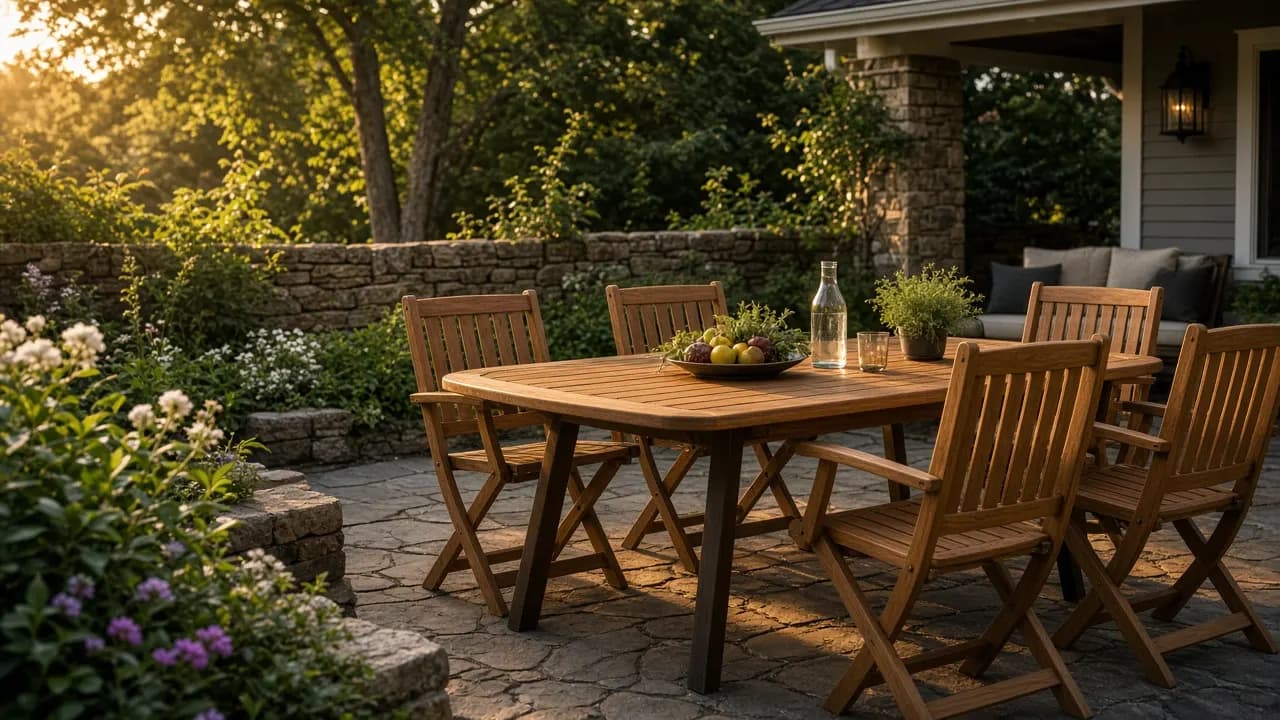
Style sells the set. Climate — UV, salt, freeze-thaw — decides whether you still like it in year five.
Patio sets fail for boring reasons. UV cooks cheap plastic until it chalks. Salt pits the wrong fasteners. Freeze-thaw pries water into softwood joints. Shoppers ask for the best outdoor furniture material as if one answer fits Arizona and Maine. It does not. Match the frame, the weave, the cushion, and the screws to the climate that will punish them. Style still matters — nobody wants a fortress of ugly durability — but climate is the filter you apply before you fall for a catalog photo.
For most inland yards, powder-coated aluminum is the practical default. Grade-A teak is the long game. HDPE lumber is the set-and-forget coastal and poolside pick. Buy HDPE wicker on aluminum — never PVC on steel — and cover it with solution-dyed acrylic over quick-dry foam. Climate first, catalog photo second.
Outdoor Furniture Materials Compared
Four materials dominate serious patio shopping in 2026: powder-coated aluminum, Grade-A teak, HDPE synthetic wicker, and HDPE poly lumber. Lifespan ranges below assume decent quality — not the $299 set that arrives already flexing at the weld.
| Material | Typical lifespan | Maintenance | Best for |
|---|---|---|---|
| Powder-coated aluminum | 15–25 years | Very low | Most inland patios; easy rearranging |
| Grade-A teak | 25–50 years | Low–moderate | Heirloom look; humid & coastal yards |
| HDPE resin wicker (on aluminum) | 10–15 years | Very low | Woven comfort; covered or moderate climates |
| HDPE poly lumber | 20–30 years | Near zero | Coast, pool, freeze-thaw, zero-babysitting |
PVC “outdoor wicker” and natural rattan are different products — and usually the wrong ones for year-round U.S. exposure.
Powder-Coated Aluminum
Aluminum does not rust the way steel does. A baked powder coat adds UV and abrasion resistance; industrial explainers of the process stress pretreatment, electrostatic spray, and oven cure — shortcuts show up as peeling within a season. Touch up chips fast, especially near salt or chlorine, so the finish does not undercut. For intense sun or coastal installs, higher-spec architectural powder systems (often discussed in the AAMA/FGIA 2604–2605 family) hold color and gloss longer than bargain coatings; ask what performance class you are buying, not only what color chip looks nicest on a phone screen.
Weight is the daily-life feature people underestimate. An aluminum dining chair might run fifteen to twenty-five pounds; a teak twin can feel like twice that. If you clear the patio for kids’ games, drag seating under cover before hail, or host buffet-style, lightness is not a compromise — it is the reason you will actually use the set. The flip side is wind: stack, nest, or weight lightweight pieces on exposed decks so a summer storm does not redistribute your living room across the neighbor’s fence.
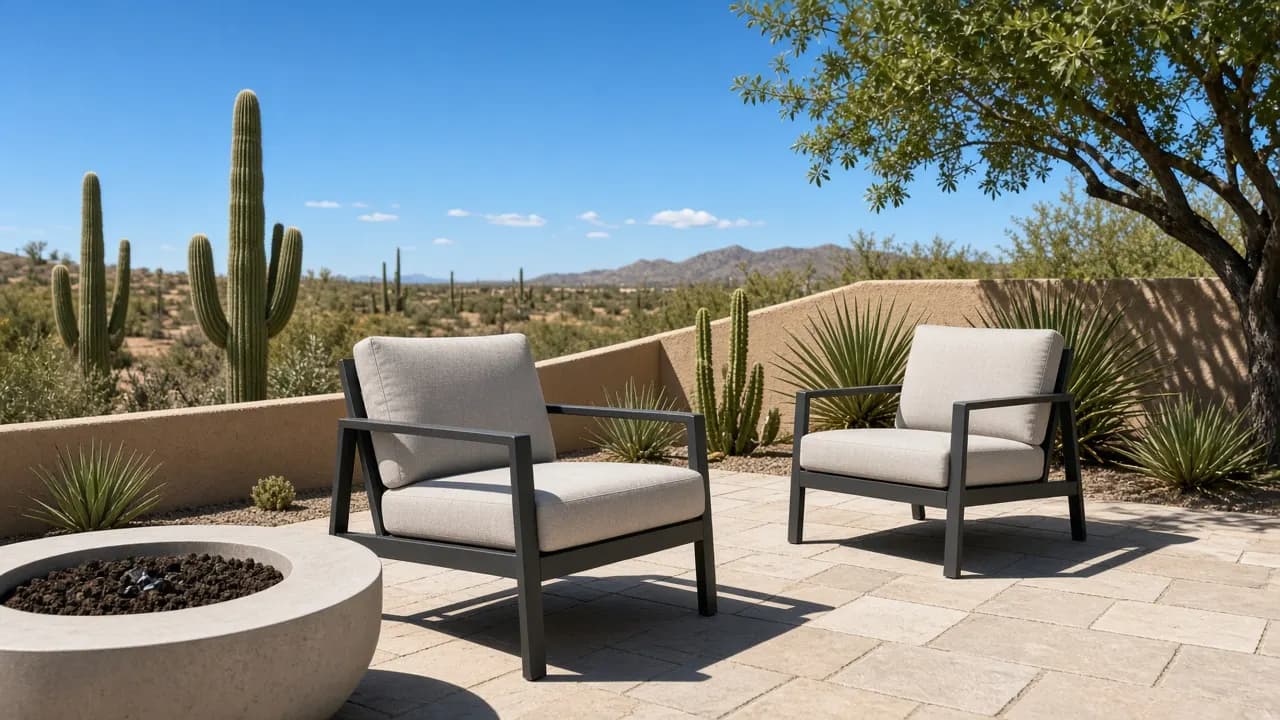
- Pros: light to move, rust-proof body, modern lines, strong value for most climates.
- Cons: can blow in wind; dark frames heat up; coating chips need care on the coast.
- Buy: welded joints, reputable powder system, stainless or coated fasteners.
Grade-A Teak
Teak earned its outdoor reputation in boatbuilding: dense heartwood, natural oils, resistance to rot and insects. Left alone it silvers; oiled it stays honey-brown. Either path is structurally fine — the argument is aesthetic. Weight keeps dining sets planted in storms; it also makes “just move it into the garage” a two-person job. Amortized over decades, a costly teak table can undercut the cost-per-year of three cheap replacements — but only if you buy Grade-A stock, not pale “teak-look” softwoods sold with optimistic labels.
In humid Southeast yards, teak still wants a cleaning habit: pollen, algae film, and leaf tannins settle into the grain. A mild soap wash once or twice a year keeps the silver even. Skip pressure-washing on high that raises the grain into splinters. If sustainability matters to you, look for FSC-minded language and plantation provenance rather than vague “tropical hardwood” marketing.
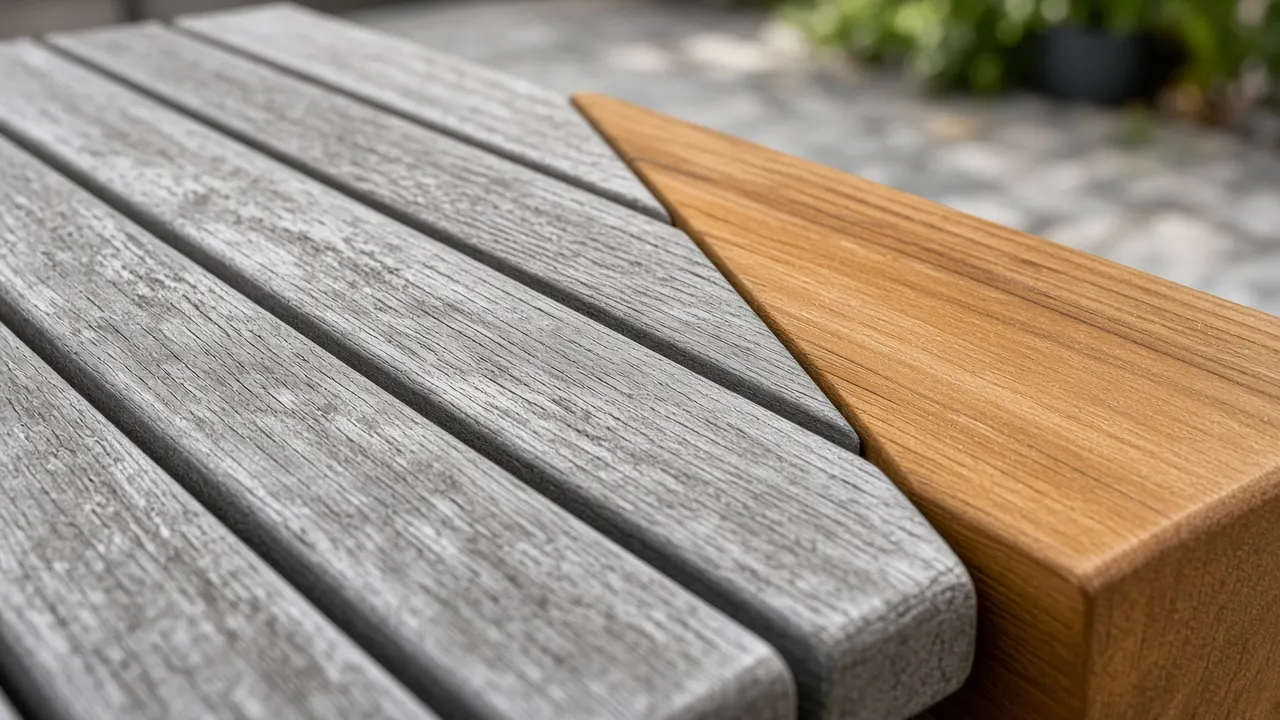
- Pros: multi-decade lifespan, wind-stable mass, classic warmth, strong in humidity.
- Cons: high upfront cost; optional oiling ritual; heavy to rearrange.
- Buy: Grade-A kiln-dried stock, tight joinery, FSC-minded sourcing when listed.
HDPE Wicker vs PVC — and Poly Lumber
“Outdoor wicker” is a weaving method, not a material. Natural rattan drinks water and fails outside. Cheap PVC strands go brittle under UV and crack — a failure mode consumer videos hammer repeatedly when warning about house-brand patio sets where the same store label can hide sturdy HDPE one month and brittle PVC the next. Premium all-weather wicker uses UV-inhibited HDPE over powder-coated aluminum. If the frame is steel and the strand is unnamed resin, walk away. Repairing a broken weave rarely looks invisible; when strands fail, you are usually shopping again.
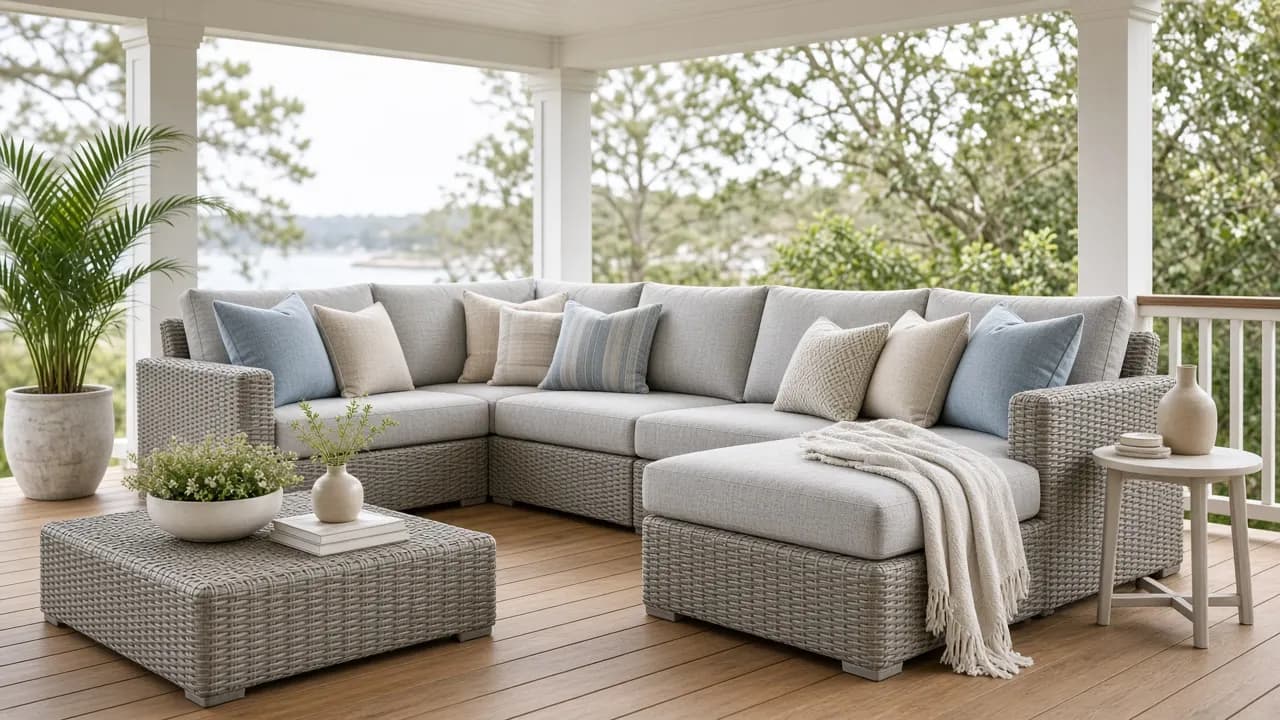
HDPE poly lumber is different again: solid, through-colored recycled plastic that cannot peel because there is no paint film to lose. Brands built on recycled cutting-board-grade polyethylene sell the boring superpower — color all the way through — so scratches do not flash primer. It shrugs at salt, pool chemistry, and freeze-thaw. The trade-off is look — honest polymer, not timber — and heat soak in dark colors under full sun. For coastal porches and pool decks where you refuse a maintenance hobby, that trade is often the right one.
Match Material to U.S. Climate
Sunbelt UV, Gulf humidity, Midwest freeze-thaw, and Atlantic salt are different stress tests. Buy for the worst month you get, not the weekend you photographed the patio. A Phoenix lounge fails first from UV embrittlement and scorching dark frames. A Charleston set fails from mildew in cushions and hardware that never met a chloride. A Minneapolis Adirondack fails when water sits in a joint, freezes, and opens a crack you will notice in April. Same SKU, three different obituaries — unless you filtered by climate first.
| Climate stress | Lean toward | Be careful with |
|---|---|---|
| High UV / desert Southwest | Aluminum; HDPE lumber; UV-rated HDPE wicker | Thin PVC wicker; dark metal without shade |
| Humid Southeast / Gulf | Aluminum; HDPE; teak with cleaning plan | Steel frames; cushions without quick-dry foam |
| Coastal salt air | HDPE lumber; teak; aluminum + 316 hardware | 304/mystery screws; chipped coats; iron |
| Midwest / Northeast freeze-thaw | HDPE; aluminum; teak elevated off puddles | Untreated softwood; cushions left wet under tarps |
| Windy exposed lots | Teak or heavy HDPE; stacked/anchored aluminum | Featherweight chairs as lawn ornaments |
Cushions: Fabric and Foam Matter as Much as Frames
Frames can outlive cushions by a decade if you buy the wrong soft goods. Solution-dyed acrylic puts pigment through the fiber — that is why it holds color in full sun better than surface-printed “outdoor” polyester. Aim for high lightfastness (often discussed as 7–8 for fully exposed use). Under a deep covered porch, solution-dyed polyester can be a fair value step-down. Brand names like Sunbrella dominate the conversation, but the chemistry — solution-dyed acrylic — is the feature; any reputable mill that publishes the same construction is playing the same game.
Foam is the silent mildew engine. Standard cushion foam can hold water for days after a storm. Reticulated quick-dry foam lets water and air pass through so a soaked seat can be sit-ready again after sun and breeze — sometimes within an hour in good airflow. Pair breathable, water-repellent covers with slatted bases so moisture has an exit path. And never store damp cushions in sealed plastic; you are building a greenhouse for mildew on purpose.
| Layer | Specify | Why |
|---|---|---|
| Cover | Solution-dyed acrylic (full sun / coast) | Color through the fiber; fade resistance |
| Cover (budget / covered patio) | Solution-dyed polyester | Good value when UV load is lower |
| Fill | Reticulated / quick-dry foam | Drains; less mildew vs standard foam |
| Base | Slats or mesh under the cushion | Airflow so water can leave |
Care, Covers, and Winter
Even the right material wants a light routine. Think of it as five minutes after a storm, not a weekend project. Freshwater rinses remove salt and pool splash before they etch finishes. Letting cushions dry in sun and breeze beats any product spray marketed as mildew magic. Covers help in shoulder seasons, but only on dry furniture with some airflow — a sealed tarp over wet foam is composting in slow motion.
- Brush pollen and rinse frames; salt air deserves a freshwater rinse on a schedule.
- Touch up powder-coat chips before corrosion undercuts the finish.
- Wash teak; oil only if you refuse the silver look.
- Dry cushions fully before covering or storing; prefer breathable covers.
- Elevate feet off winter puddles; ice against wood joints is a long war you will lose slowly.
- In shoulder seasons, a cover helps — a sweaty sealed tarp can still breed mildew.
Quick Decision Scenarios
| Your situation | Default pick | Why |
|---|---|---|
| Suburban inland patio, rearrange often | Powder-coated aluminum | Light, rust-proof, low drama |
| Want wood that can become an heirloom | Grade-A teak | Decades of structure; patina is optional |
| Ocean, Intracoastal, or pool chlorine | HDPE lumber (+ 316 hardware) | Salt and splash do not scare it |
| Resort look, covered lanai | HDPE wicker on aluminum | Texture + comfort if the resin is real HDPE |
| Harsh four-season Midwest yard | HDPE or aluminum; store cushions | Freeze-thaw without porous panic |
Mistakes That Shorten Patio Sets
- Buying “wicker” without confirming HDPE vs PVC and aluminum vs steel.
- Spending on frames, then pairing them with printed polyester and bathtub foam.
- Ignoring fasteners on a salt lot — the bolt fails before the brand story does.
- Leaving wet cushions under a plastic tarp all winter.
- Expecting dark metal to feel cool at noon in Phoenix without shade.
- Choosing featherweight chairs for a wind tunnel of a rooftop and acting surprised.
Buy the material your worst weather deserves. Pretty is free in the catalog; durability is paid for in climate.
— Emir Muhić, Kotro Home
Outdoor furniture materials are a climate decision wearing a style decision’s clothes. Name your UV, salt, humidity, or freeze. Then pick aluminum, teak, HDPE lumber, or true HDPE wicker — and finish the job with solution-dyed fabric, quick-dry foam, and honest hardware. Do that once, and the patio stops being an annual repurchase. The set that still looks intentional after five summers is almost never the one that won on price alone in March.
Frequently asked questions
What is the best outdoor furniture material?
There is no single winner. Powder-coated aluminum is the best all-rounder for most inland U.S. patios. Grade-A teak wins on heirloom lifespan and natural look. HDPE poly lumber wins for coastal, poolside, and zero-maintenance households. Premium HDPE resin wicker on an aluminum frame wins for woven comfort — but cheap PVC wicker does not belong in that conversation.
Is teak or aluminum better for outdoor furniture?
Teak is heavier, warmer looking, and can last decades; it weathers to silver-gray unless you oil it. Aluminum is lighter, rust-proof, and lower maintenance, but chips in the powder coat need touch-up and lightweight pieces can blow around in storms. Choose teak for permanence and wind stability; choose aluminum if you rearrange often or want modern lines for less money upfront.
What outdoor furniture material lasts longest?
Well-sourced Grade-A teak commonly lasts 25–50 years outdoors. Quality HDPE lumber often runs 20–30 years with near-zero upkeep. Powder-coated aluminum typically delivers 15–25 years inland. Premium HDPE wicker on aluminum is often a 10–15 year story; PVC wicker may crack in a few seasons under hard UV.
What is the best outdoor furniture for coastal areas?
Prioritize HDPE lumber, marine-minded aluminum with intact powder coat, or teak, and fasten everything with 316 stainless hardware. Rinse salt spray with fresh water. Avoid ordinary steel, wrought iron without heroic maintenance, and mystery “stainless” screws that tea-stain in a year. Solution-dyed acrylic cushions beat surface-printed polyester in full sun and salt air.
Is resin wicker good for outdoor furniture?
Yes — if it is UV-stabilized HDPE woven over a powder-coated aluminum frame. Natural rattan/willow is for porches that stay dry. Thin PVC strands over steel frames are the sets that look great in photos and shatter after one brutal summer. Ask for HDPE specifically; if the listing only says “resin,” assume risk.
What fabric is best for outdoor cushions?
Solution-dyed acrylic is the gold standard for full sun and coastal exposure because pigment runs through the fiber, not just on the surface. Pair it with reticulated quick-dry foam so rain drains instead of brewing mildew. Solution-dyed polyester can work under covered patios at a lower price. Store cushions dry; breathable covers beat sealed plastic bags.
Does teak outdoor furniture need oil?
Only if you want to keep the honey-brown color. Left alone, teak safely weathers to a silver-gray patina while the oils that resist rot and insects remain in the wood. Oil once or twice a year to hold the golden tone; otherwise wash annually with mild soap and water. Either path is valid — decide before the first season surprises you.
Can outdoor furniture stay outside in winter?
Frames of aluminum, HDPE, and teak often can, if elevated out of standing water and ice. Cushions should come inside or live under breathable covers only when fully dry. Freeze-thaw is hardest on porous woods and on finishes that let water into chips. In the Midwest and Northeast, covering or storing is insurance; trapped moisture under a sealed tarp can still feed mildew.
- outdoor furniture materials
- best outdoor furniture material
- teak vs aluminum
- HDPE outdoor furniture
- resin wicker
- solution dyed acrylic
- patio furniture by climate
- coastal outdoor furniture
Related guides
- Furniture Delivery Day Checklist: What to Inspect Before You Sign
A field checklist for U.S. furniture delivery day — service levels from curb to white-glove, ROC explained, inspection steps before you sign, and how to protect a damage claim.
- Small Apartment Furniture: What Actually Fits
A clearance-first furniture guide for U.S. studios and one-bedrooms — sofa width and depth, 30–36 inch walkways, round tables, elevator limits, and the pieces that earn their footprint.
- Wood Furniture Care Across U.S. Climates
A climate-first care guide for solid wood in American homes — the 40–50% humidity target that respects both the wood and the EPA mold line, white rings versus black rings, and why oil on lacquer makes a sticky mess.